minimal primitives

A diagonal in every square. No loops.
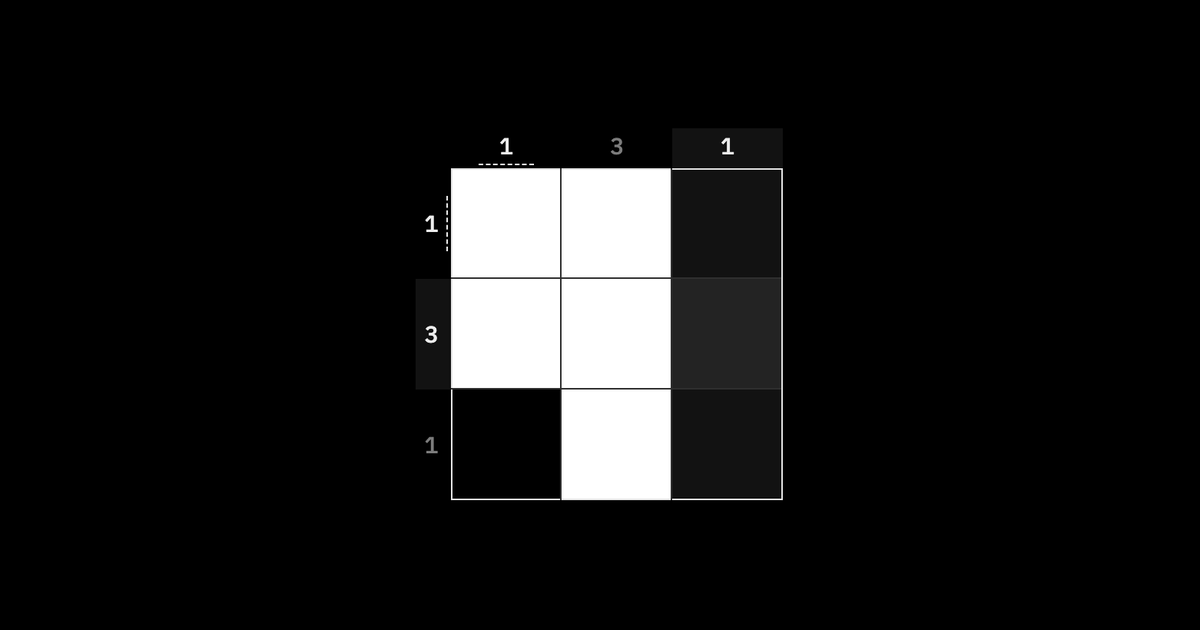
Fill the squares to match the numbers; nonograms, simply.Also Quipu
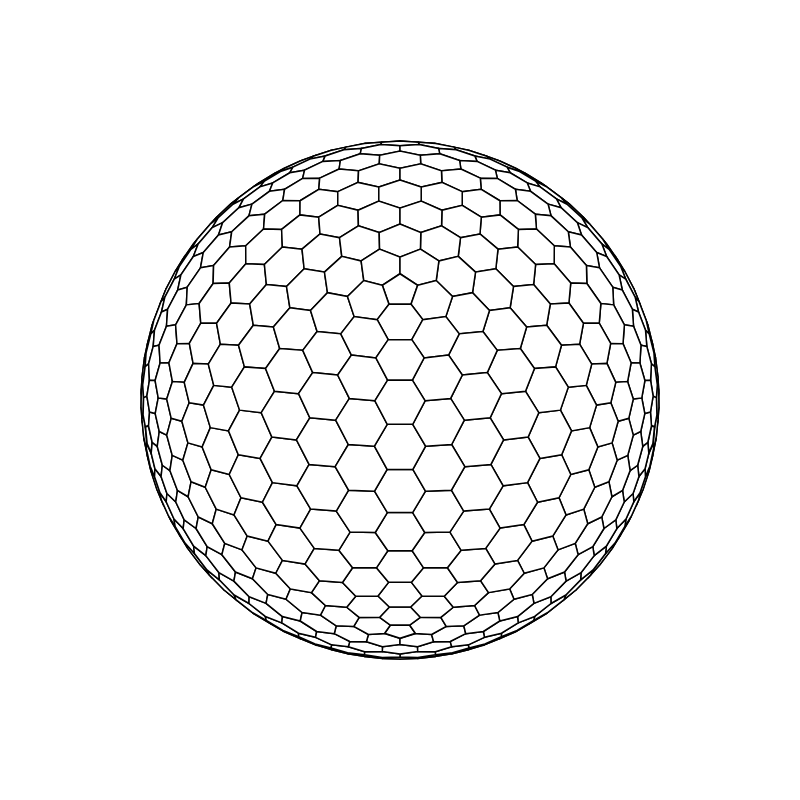
Minesweeper on a ball of hexagons.Also Flat · Endless
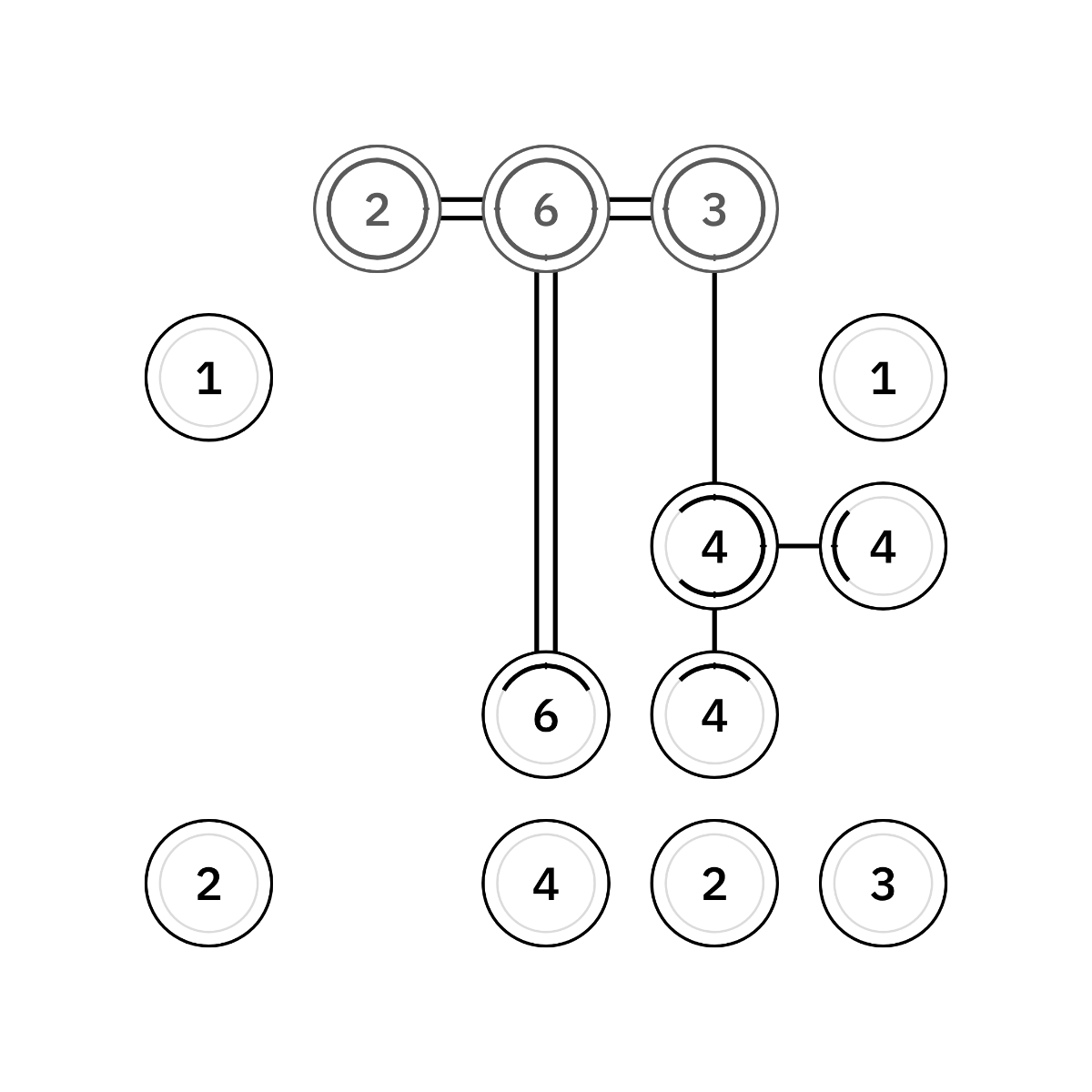
Join the islands. Each number counts its bridges.Also Constellations
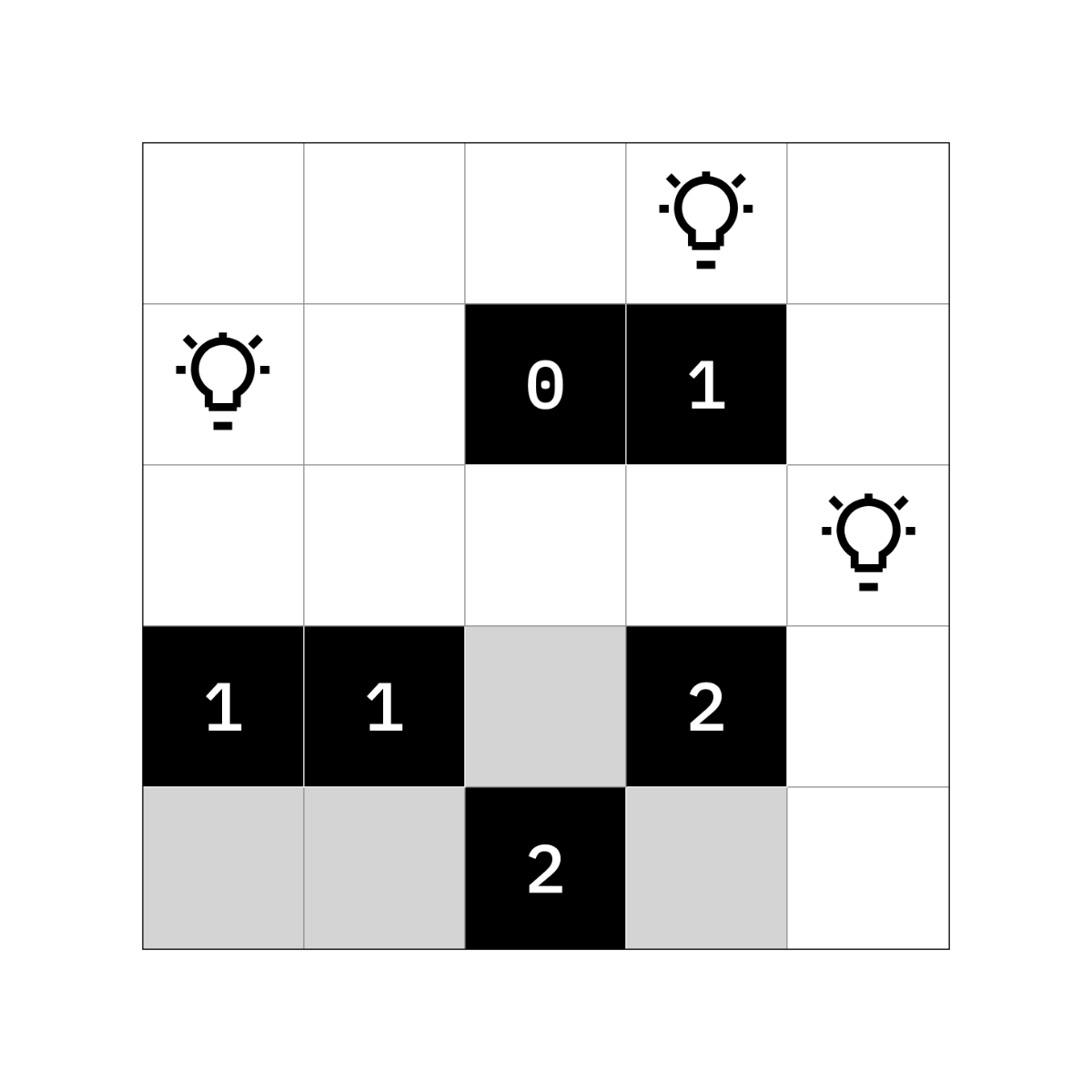
Light every square; stay out of sight.
Build a shape around each center that survives a half turn.
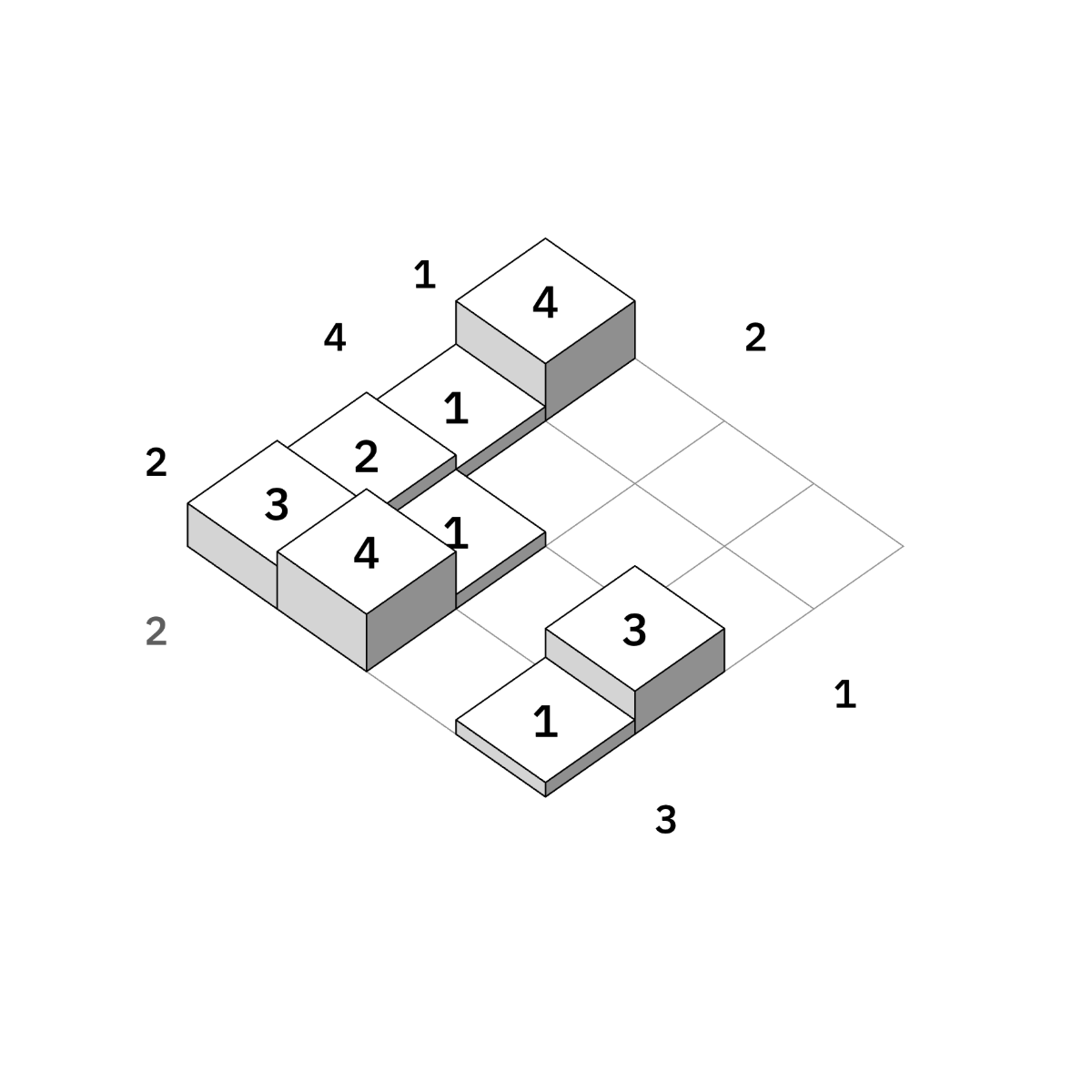
Stack cubes until three shadows match.
Turn the tiles until every line closes.
Fold the paper, sometimes twice, until the dots come through.
Bend light with gravity.
Raise the towers. Each number counts what it can see.
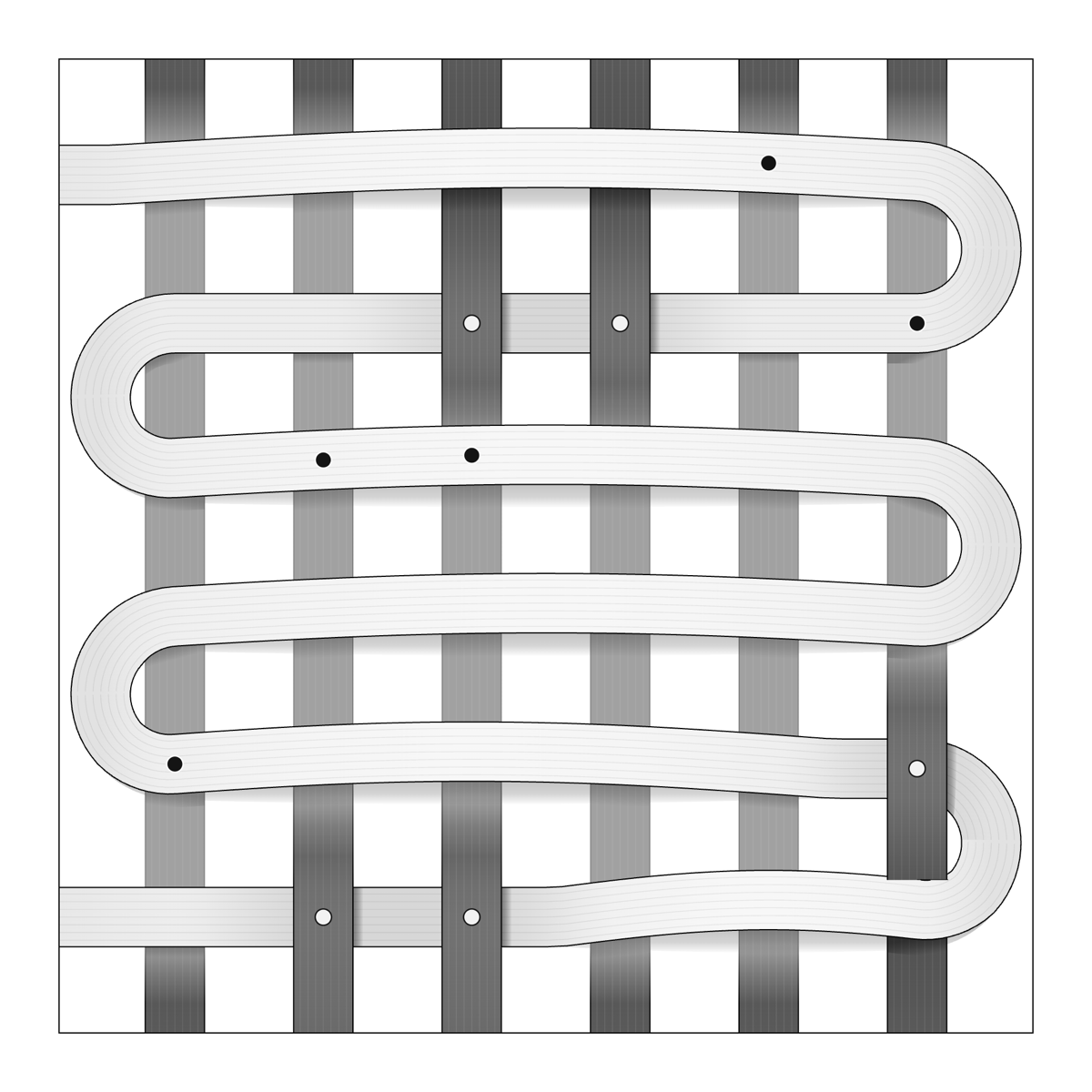
Pass each thread over or under. None may float past two crossings.
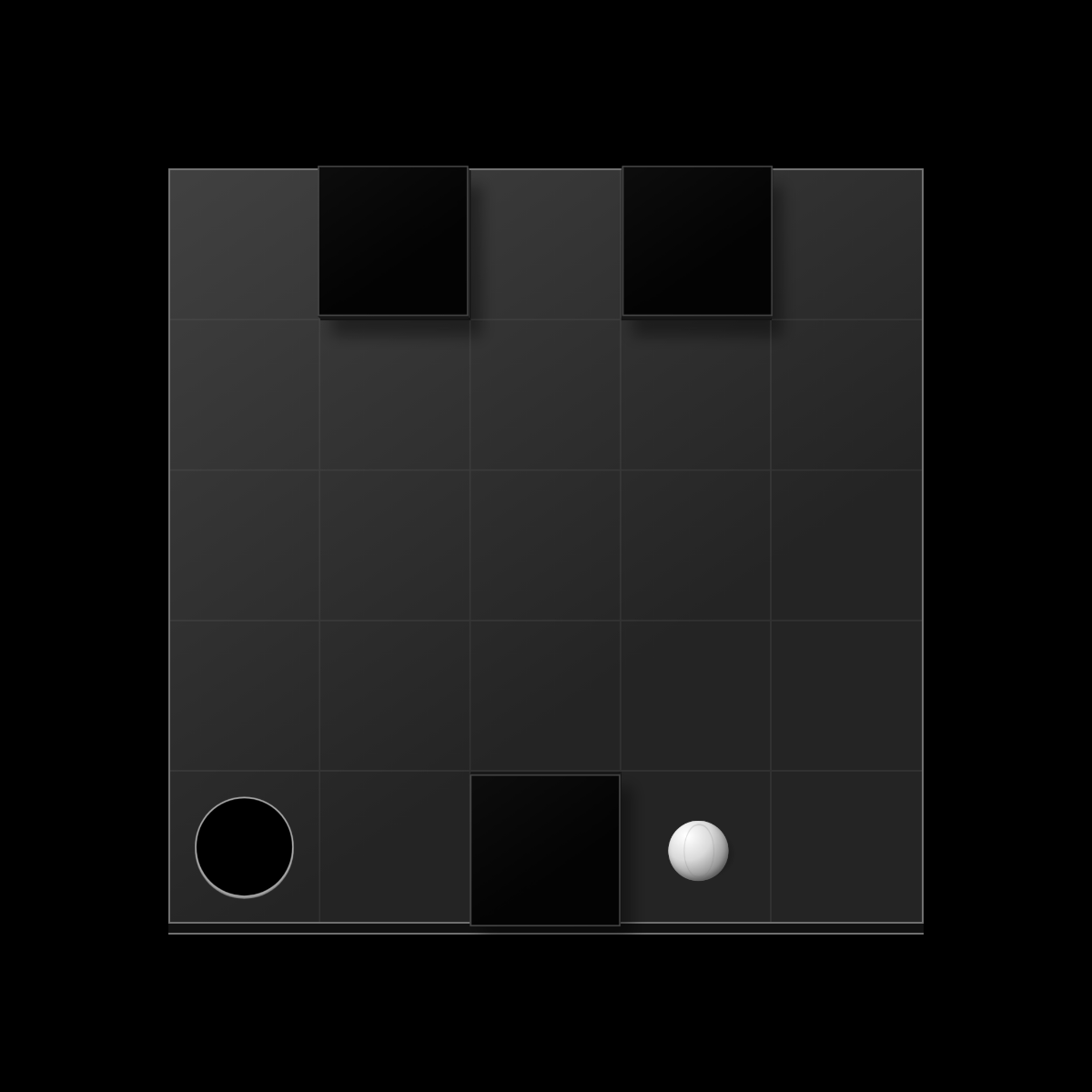
Tilt the tray. The marble slides until something stops it.Also 3D · Cube Maze
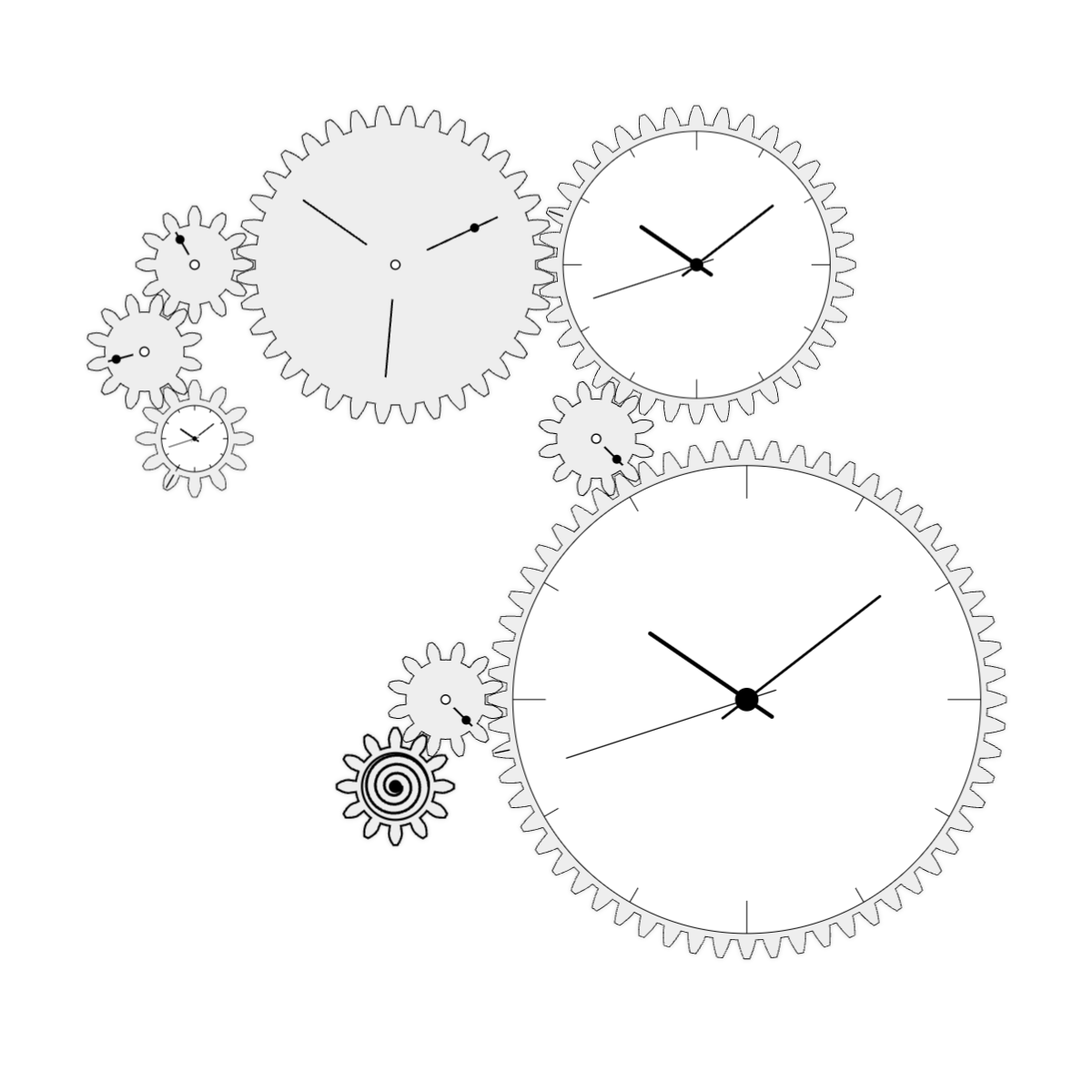
Place gears until the clocks tell time.
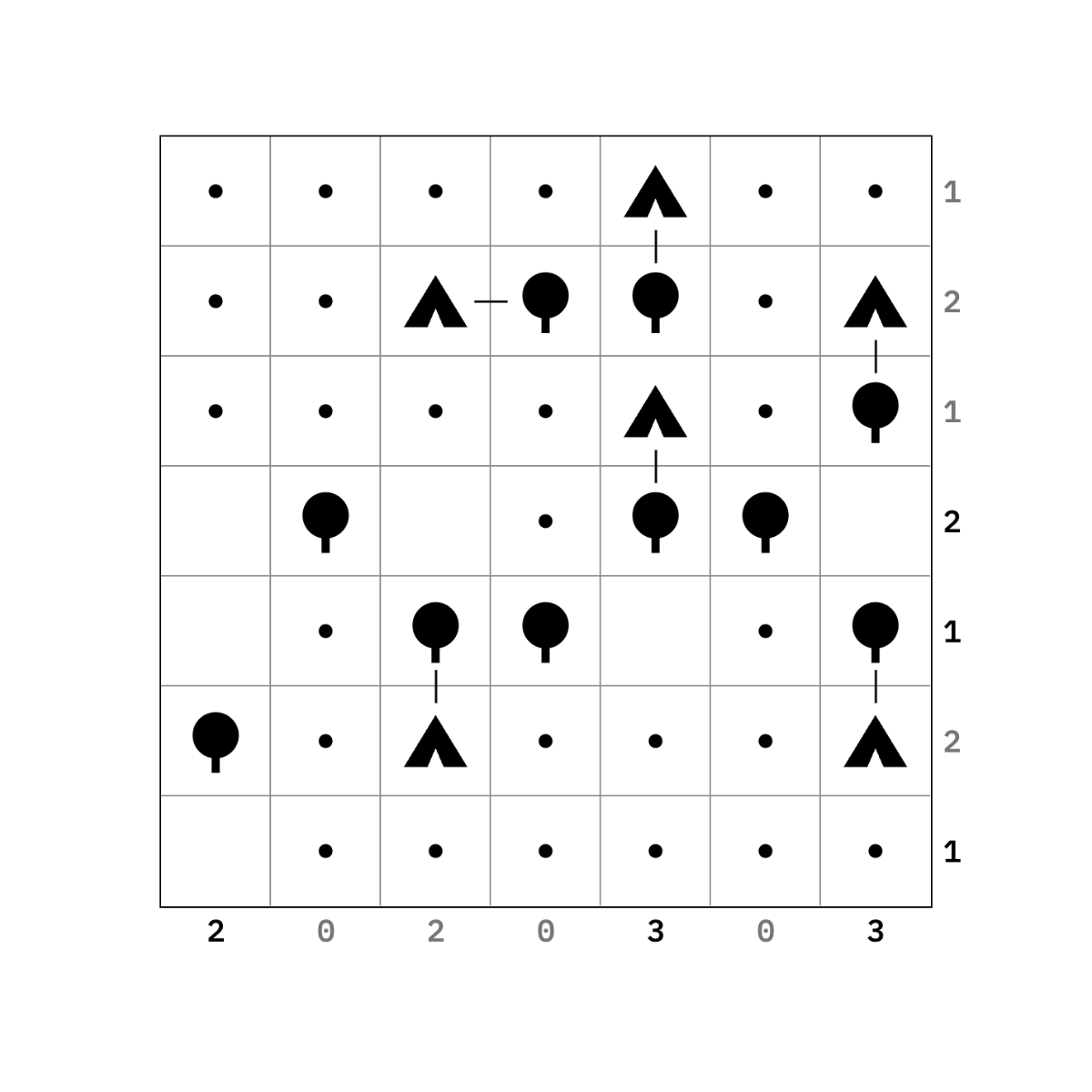
A tent for every tree. Keep the tents apart.
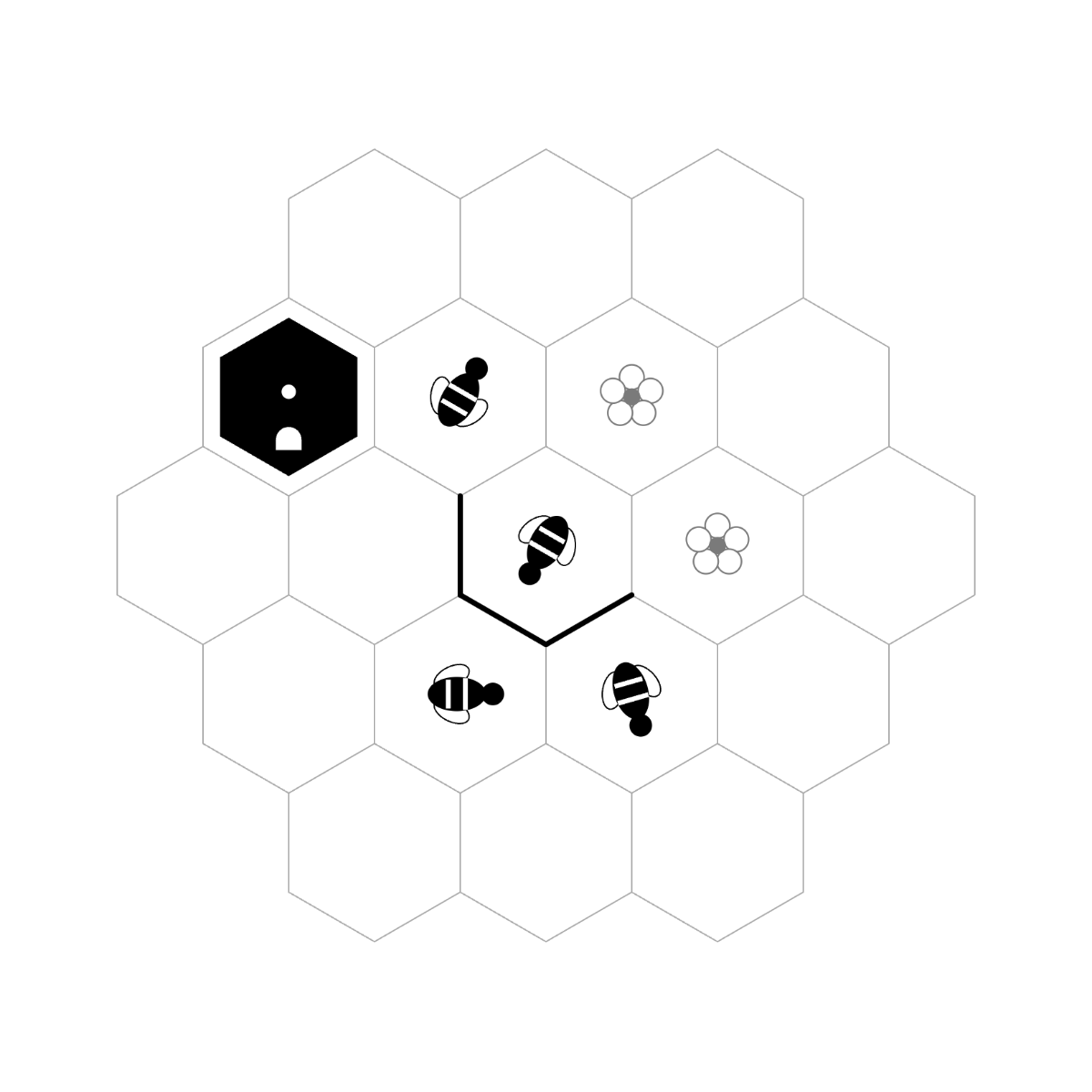
Bees flee from wherever you tap. Herd them home.
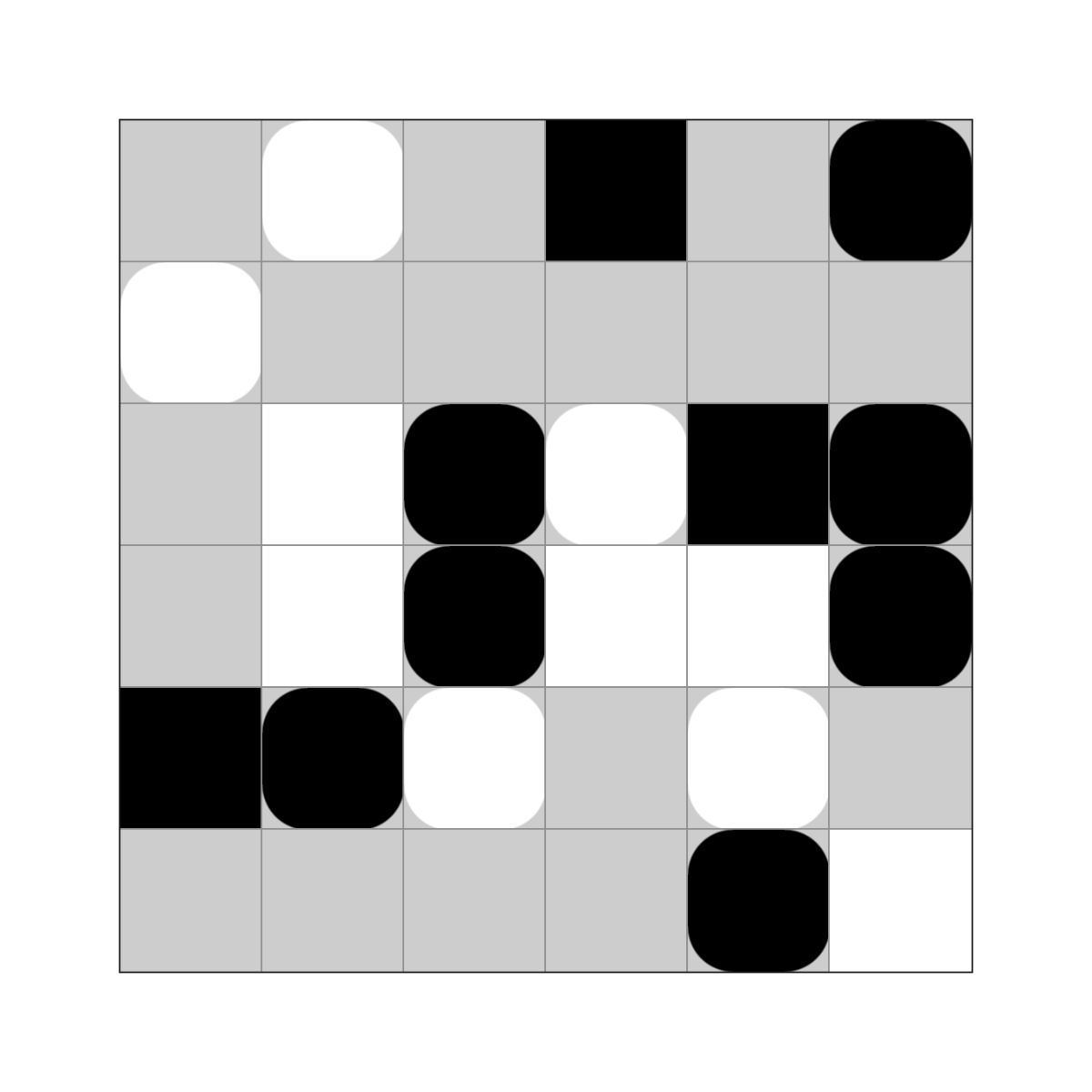
Black and white: never three in a row, as many of each.
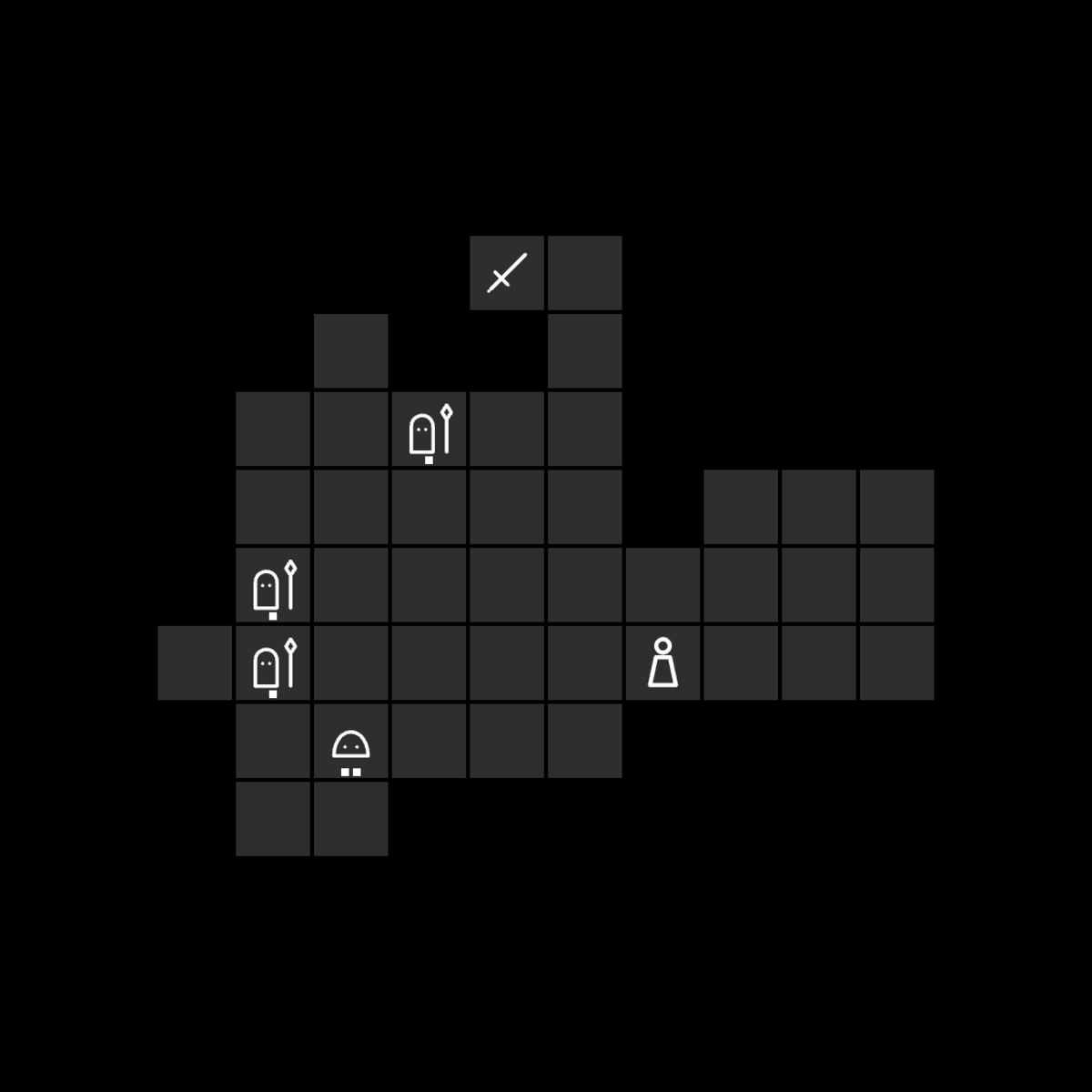
A dungeon of squares. Dodge, fight, find the stairs.
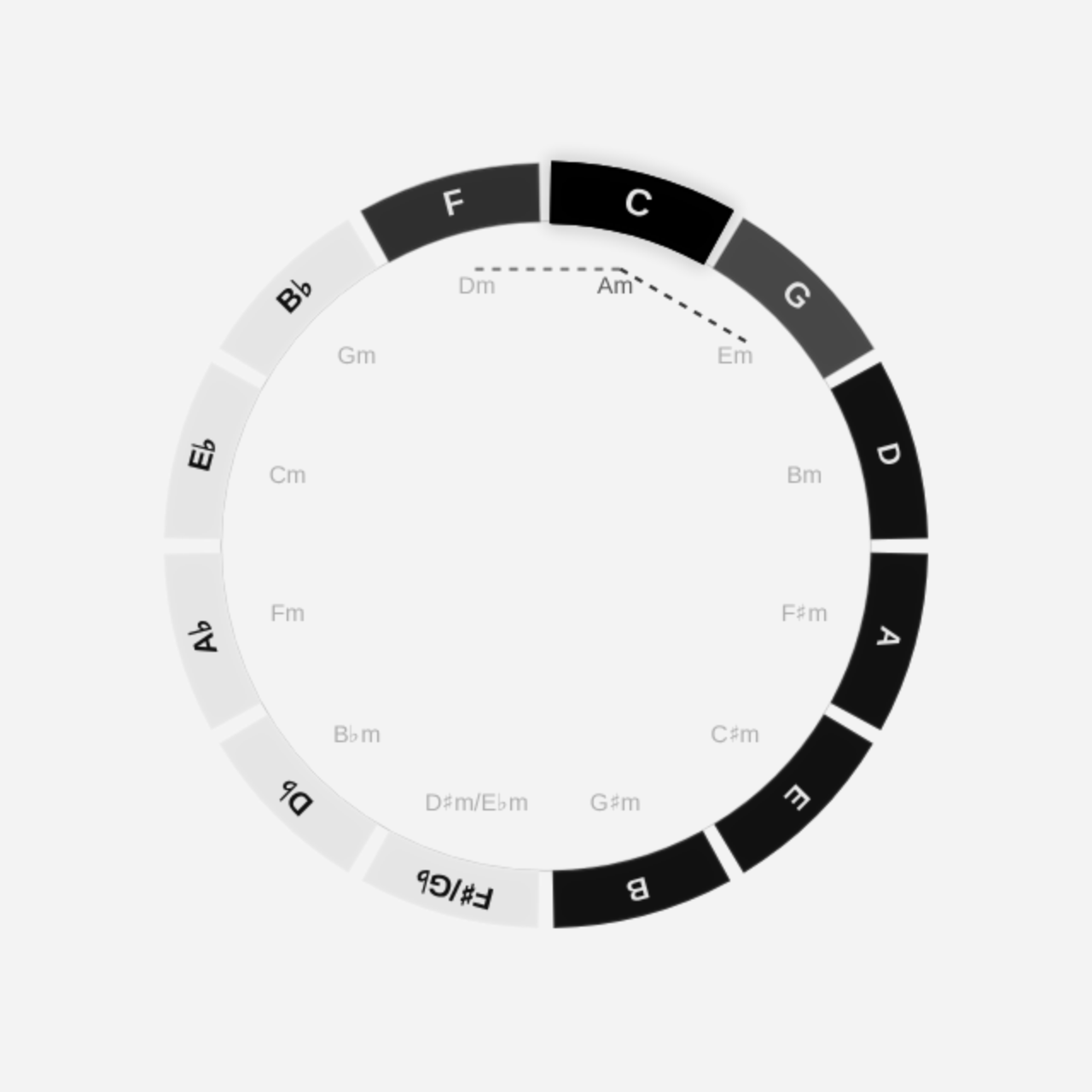
Twelve ways to look at the same twelve notes.
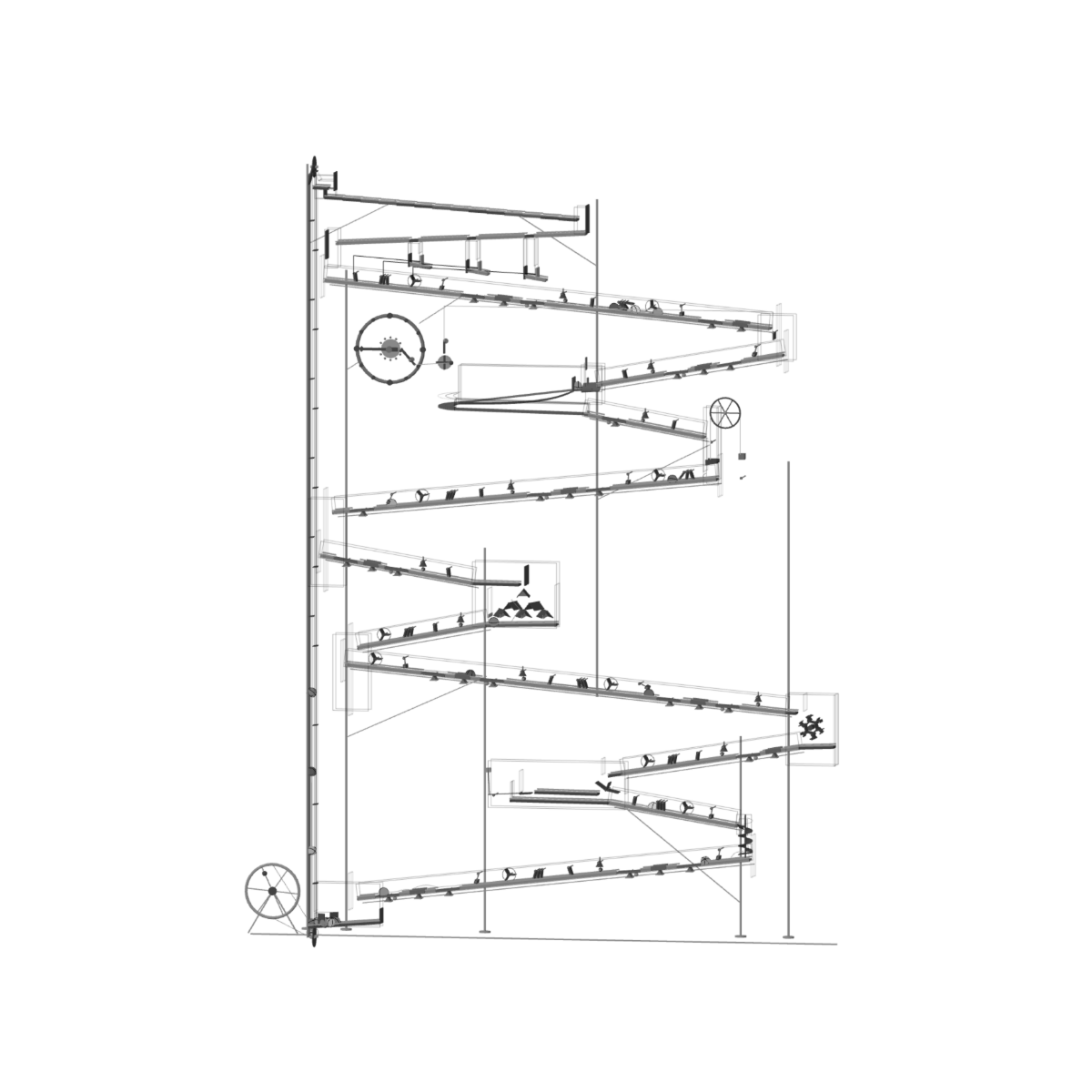
Clack, whirr, plink, plonk.Also Hands on
Played with your eyes, one switch, or your head.

Settings

Display

Opening

Access

The starting choice for each game here, until you set one in that game.

About

Simple machines are what machines are made of: levers, wheels, ramps, wedges, screws, pulleys. Primitives are what doing is made of: get, put, push, turn, join, split, bend, switch. Each game here is built on one or two of them.

They started as a sneaky way to run motor assessments for eye gaze, head pointing and switch users. Turns out they're also just fun.

Source on GitHub, MIT.