Solar Orrery
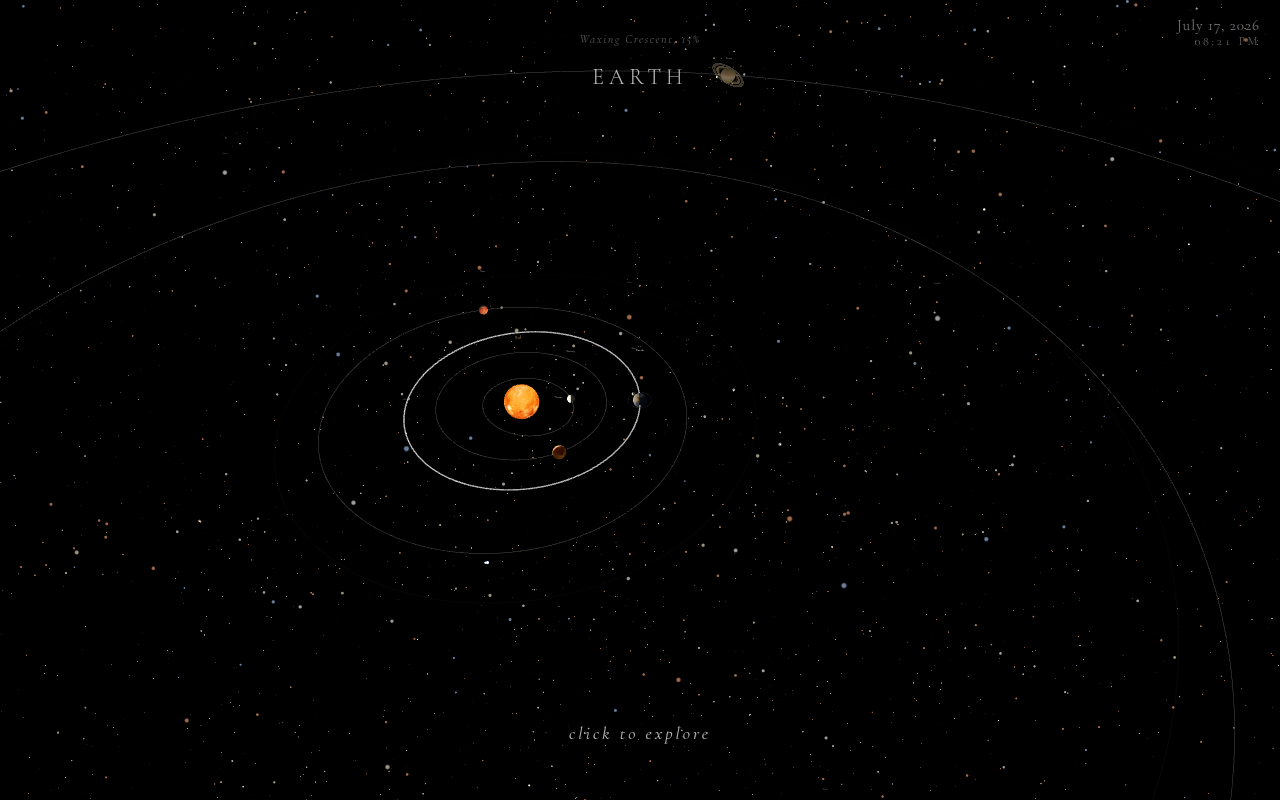
Drag around the planets and zoom into moons. An interactive model of the solar system.
iPhone and iPad 1.2.2, September 3, 2026. Android 1.2.2 (784), November 14, 2026.
Google Play beta: Prefer Play Store updates to sideloading? Join the Coolhand beta group first (I’d really appreciate it). I’ll add this app’s opt-in link here when its Play beta is ready.
Installing on Android: Tap Download for Android, open the downloaded file, and allow installs from this source if Android asks. If installation is blocked, tap Advanced, then Install anyway.
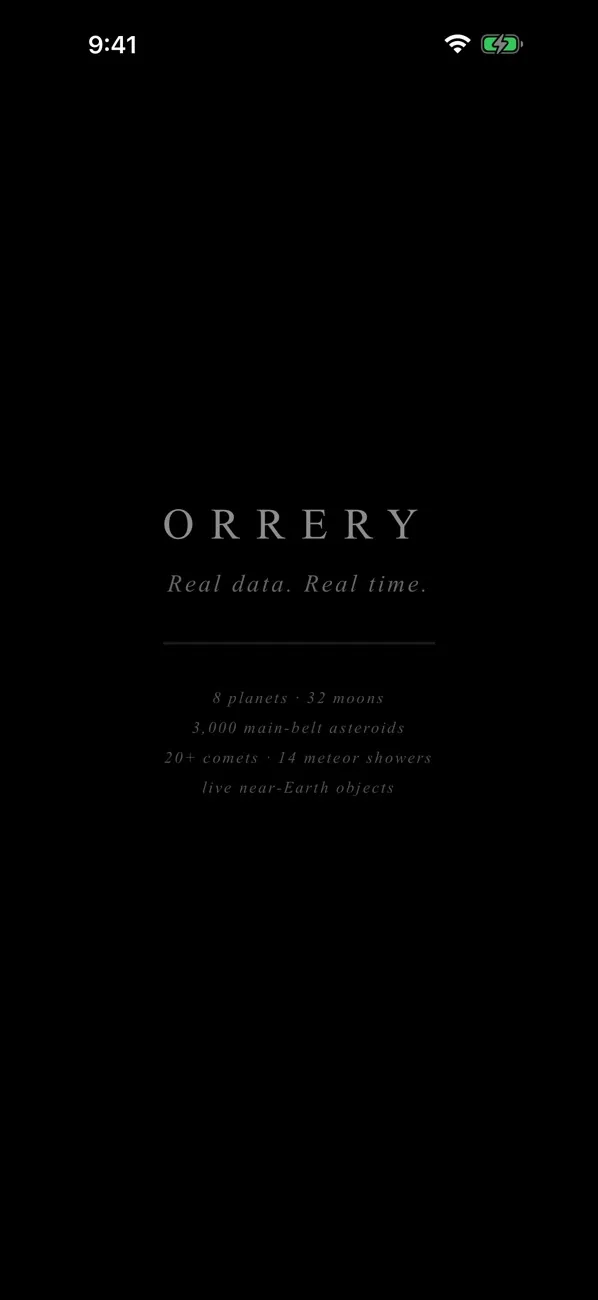
What’s in it
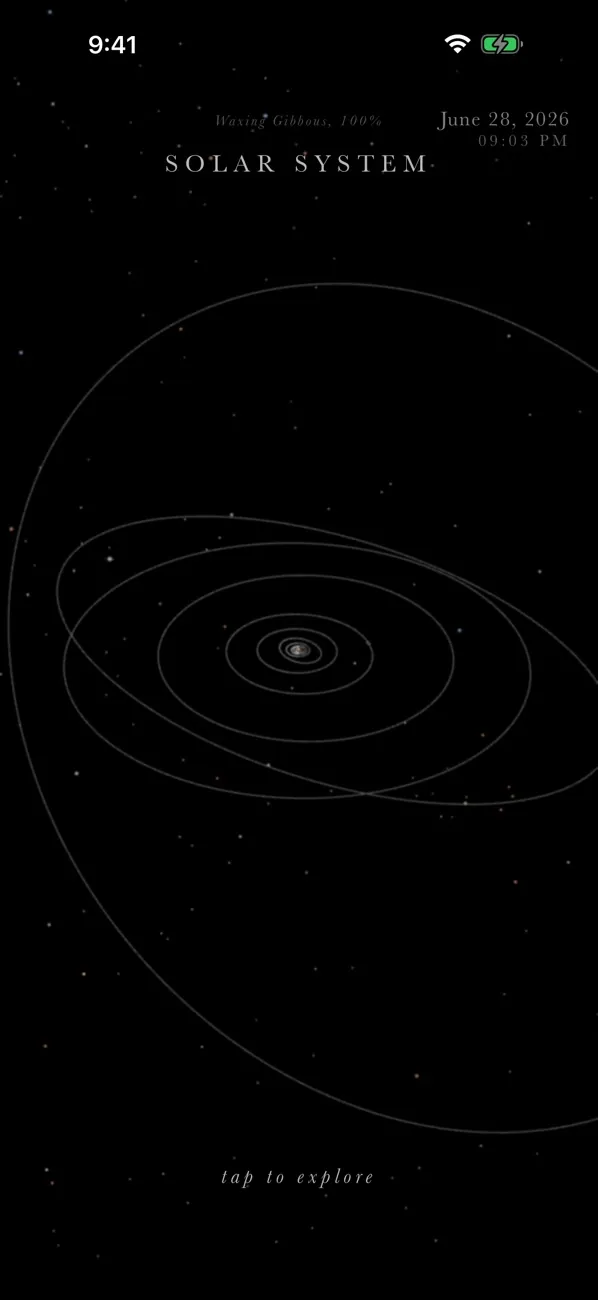
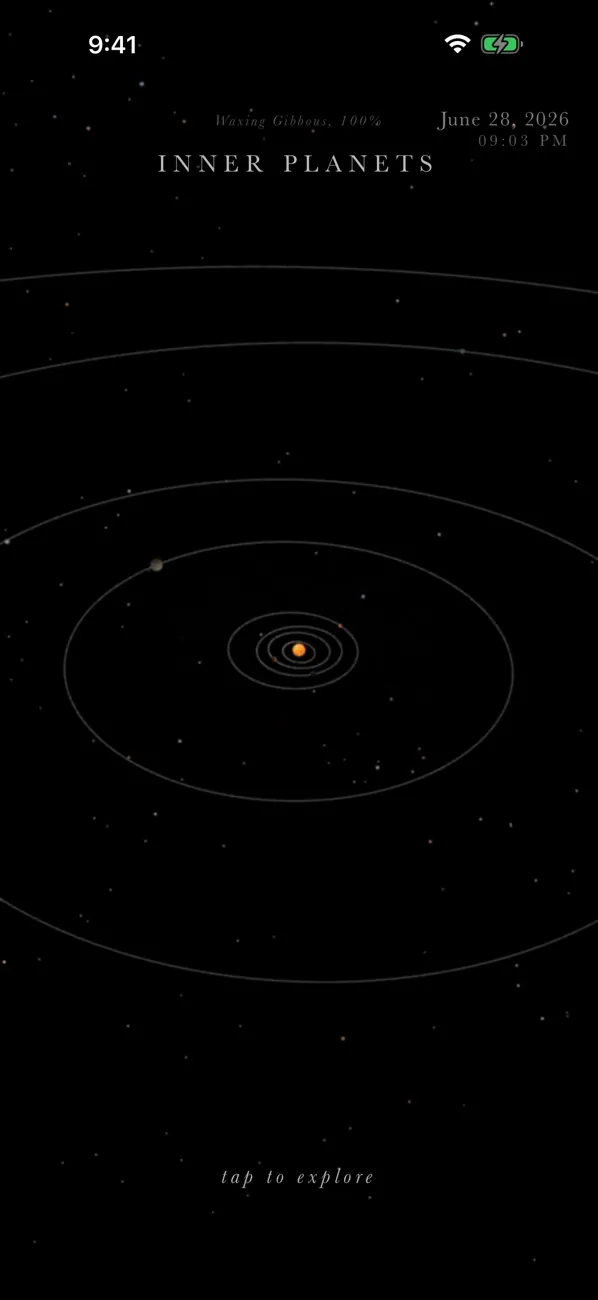
The planets are where they really are today, and they move in real time; sizes and distances aren’t to scale. The first launch flies in from deep space to Earth, and Replay cinematic tour in Controls runs it again.
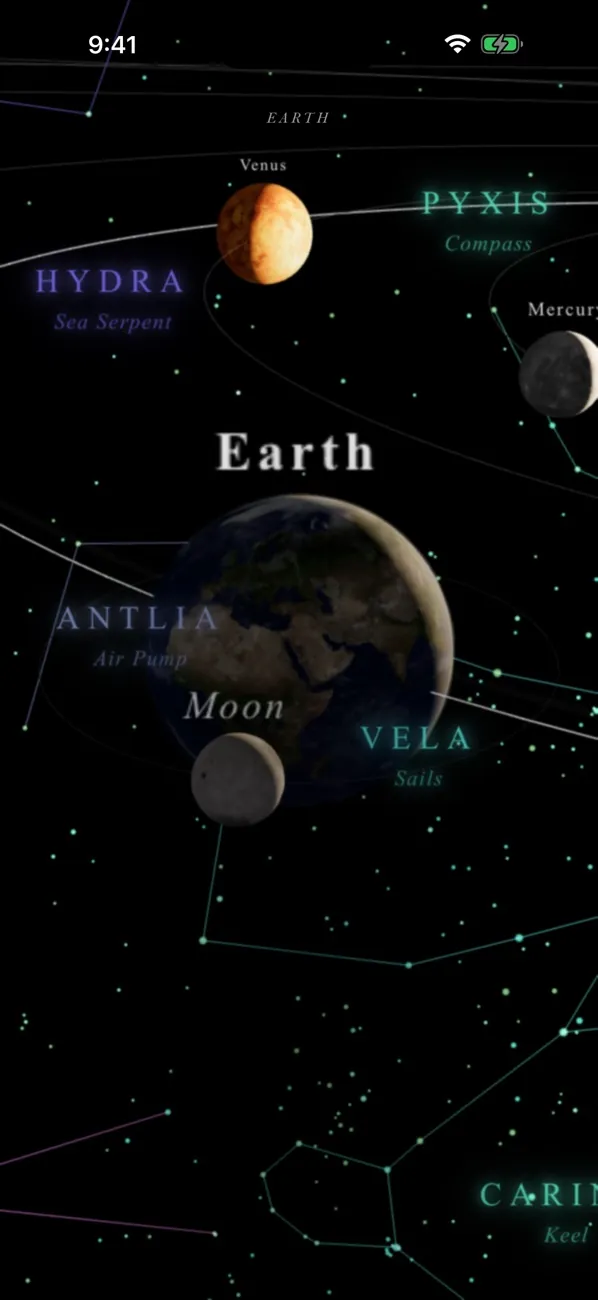
- Get closer. Drag to orbit and pinch to zoom. Tap a planet to zoom in on it, then on its moons. The + and − buttons step between scales, from the inner planets out to deep space.
- Layers. Dwarf planets, the asteroid belt, comets, meteor showers, near-Earth objects, satellites, and a deep-space layer with the Oort Cloud, the Voyagers and nearby stars.
- The sky. All 88 constellations and a stargazing view. Phones draw the 5,000 or so stars you could see by eye; wider screens draw about 41,000.
- Hands off. The dice jumps somewhere at random, and the tour drifts around on its own.
What you need
- iPhone or iPad with iOS 15 or later.
- Android 7.0 or later.
- No account. It runs without a connection; the live layers need one.
What goes online
No account, no analytics, and the App Store label reads Data Not Collected. Stars, constellations and planet textures ship inside the app. The live layers come straight from public services: NASA’s near-Earth objects and NOAA’s solar wind speed when the app opens, an orbit from JPL when you select a near-Earth object, and space station positions from CelesTrak when satellites are shown.
Your theme, whether you’ve seen the opening tour, and a short history of where you’ve explored stay on the device; the iPhone app uses that history to time its review request. More in the privacy policy. The code is public at data-poems/orrery; planet textures are from Solar System Scope (CC BY 4.0).